Youth addiction and negative social influence are becoming serious concerns across the world. Many teenagers today face pressure from drugs, alcohol, gang culture, violence, and unhealthy online influences. Without proper guidance and positive environments, young people can easily fall into bad company and destructive habits.
This is why the conversation about how sports can save youth from addiction has become more important than ever.
Sports give young people purpose, structure, discipline, and belonging. They provide a healthy outlet for stress and help teenagers build confidence and meaningful friendships. Most importantly, sports keep many young people away from dangerous environments that may encourage addiction or criminal behavior.
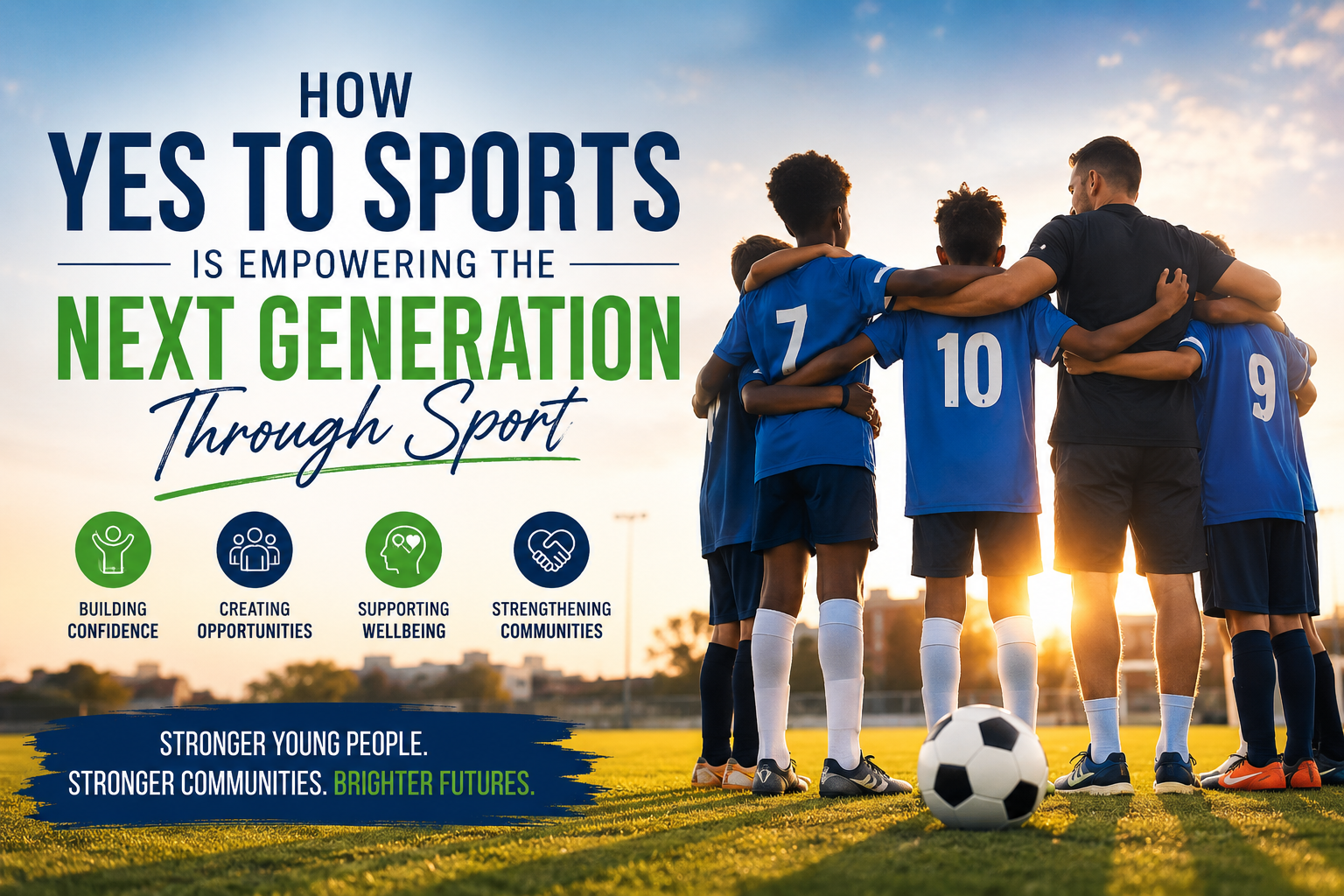
Organizations such as Yes to Sports are working to create safer opportunities for young people through athletics and community engagement. YES supports sports clubs and youth centers so children and teenagers can grow in positive environments instead of being exposed to harmful influences.
Their mission highlights a powerful truth: when young people are connected to sports, mentorship, and community support, they are far more likely to stay focused on healthy goals and avoid destructive lifestyles.
Why Young People Fall Into Bad Company
Teenagers naturally seek connection and identity. When healthy support systems are missing, they may turn toward negative peer groups for acceptance.
Several common factors increase the risk of youth addiction and bad influences:
- Lack of parental supervision
- Poverty and social instability
- Peer pressure
- Poor mental health
- Limited recreational opportunities
- School disengagement
- Exposure to violence or crime
Young people often don’t join harmful groups because they want trouble. Instead, they may be searching for belonging, protection, or recognition.
Sports provide those same emotional needs in a healthier and more constructive way.
How Sports Can Save Youth From Addiction
The connection between athletics and youth protection is backed by growing evidence. Organized sports help young people build routines, develop discipline, and create positive friendships that reduce exposure to risky behaviors.
Programs focused on sports-based youth development are increasingly recognized as effective prevention tools. Research from the Youth Endowment Fund explains that sports programs can improve mental health, reduce aggression, and help vulnerable children avoid violence and crime.
Sports Create Discipline and Focus
Athletes learn valuable life skills through regular training and competition.
Sports encourage:
- Responsibility
- Time management
- Goal setting
- Persistence
- Emotional control
Teenagers involved in athletics often become more protective of their physical and mental health because they understand that drugs and unhealthy habits can damage performance.
A regular training schedule also reduces idle time, which lowers opportunities for involvement in harmful activities.
Sports Keep Youth Away From Negative Influences
One of the strongest ways sports help is by keeping teenagers connected to positive environments.
Young athletes spend time with:
- Coaches
- Teammates
- Mentors
- Supportive communities
This reduces the likelihood of becoming involved with gangs, criminal behavior, or substance abuse.
Organizations like Yes to Sports specifically focus on helping young people avoid bad company by giving them access to safe sports spaces where they can learn, grow, and stay active. Their programs support underprivileged youth and encourage teamwork, resilience, and healthy social development.

Sports Improve Mental and Emotional Health
Mental health struggles often play a major role in addiction.
Exercise naturally improves emotional wellbeing by increasing dopamine and endorphin levels in the brain. Physical activity can help teenagers:
| Mental Health Benefit | Positive Outcome |
|---|---|
| Reduced stress | Better emotional balance |
| Improved confidence | Stronger self-esteem |
| Better sleep | Increased focus |
| Social connection | Reduced isolation |
| Emotional release | Healthier coping skills |
Sports also teach young people how to handle failure, frustration, and pressure in healthier ways.
The Role of Organizations Like YES
Community organizations are essential in making sports accessible to vulnerable youth.
Yes to Sports works with sports clubs and youth centers to provide safe, supportive environments where young people can develop life skills through athletics. Their focus is not only physical activity but also empowerment, confidence, and community development.
The organization believes that sports can become a pathway away from harmful influences and toward brighter futures.
This approach reflects a growing global movement where sports are used as tools for:
- Crime prevention
- Youth mentoring
- Mental health improvement
- Social inclusion
- Addiction prevention
Many successful youth programs now combine sports with counseling, education, and leadership training.
Community Sports and Crime Prevention
Studies increasingly show that organized sports can reduce anti-social behavior and youth crime.
Government-supported initiatives in the UK have invested in sports programs designed to help vulnerable young people avoid violence and criminal activity.
Community sports help by:
- Creating safe after-school environments
- Building trust with mentors
- Encouraging teamwork
- Promoting positive identity
- Reducing social isolation
For many teenagers, sports become a healthier alternative to dangerous street environments.
Coaches and Mentors as Positive Influences
A supportive coach can completely change a young person’s future.
Many teenagers struggling with emotional difficulties or unstable home environments find guidance through sports mentors. Coaches often become trusted adults who encourage accountability and personal growth.
Positive mentors can help youth:
- Build confidence
- Avoid harmful peer groups
- Stay focused academically
- Manage anger and stress
- Develop leadership skills
Strong relationships are one of the biggest protective factors against addiction.
Sports and Academic Development
Sports participation also benefits education.
Student-athletes often develop stronger concentration, discipline, and motivation. Participation in athletics can improve school attendance and encourage long-term planning.
| Academic Benefit | Impact |
|---|---|
| Better attendance | Greater engagement |
| Improved discipline | Higher productivity |
| Stronger confidence | Better classroom participation |
| Team responsibility | Leadership development |
Sports teach transferable skills that support both education and future careers.
Challenges Facing Modern Youth
Today’s young people face challenges previous generations did not experience at the same level.
These include:
- Excessive social media exposure
- Online bullying
- Gaming addiction
- Mental health struggles
- Community violence
- Reduced physical activity
Without positive alternatives, teenagers may become vulnerable to unhealthy coping mechanisms.
Sports offer a practical solution by reconnecting youth with real-world relationships, movement, and purpose.
The Importance of Safe Sports Spaces
Not every young person has access to safe recreational opportunities.
This is why organizations like Yes to Sports are so important. By supporting sports clubs and youth centers, they help create environments where teenagers feel safe, valued, and encouraged to succeed.
Safe sports spaces can:
- Reduce exposure to violence
- Encourage healthy routines
- Build community trust
- Promote inclusion
- Strengthen emotional resilience
These programs are especially valuable in underprivileged communities.
Government and School Support
Schools and governments also play a major role in expanding access to athletics.
Investment in youth sports can reduce long-term social costs linked to addiction, crime, and mental health crises.
Public support should focus on:
- Affordable sports programs
- Community facilities
- Qualified coaches
- After-school activities
- Mental health support
When sports programs are accessible, more young people can benefit from positive community involvement.
Real-Life Impact of Youth Sports Programs
Across the world, countless teenagers have transformed their lives through sports.
Youth programs focused on athletics often report:
- Lower crime involvement
- Better mental health
- Improved school participation
- Reduced substance abuse
- Stronger social skills
Research also shows that sports can act as a “hook” to connect vulnerable youth with counseling, education, and additional support services.
For many young people, joining a sports team becomes the first step toward rebuilding confidence and direction.
Long-Term Benefits of Sports Participation
The impact of sports extends far beyond childhood.
Young people involved in athletics often carry positive habits into adulthood, including:
- Healthy stress management
- Strong work ethic
- Better emotional resilience
- Improved physical health
- Leadership skills
- Positive social relationships
Sports don’t simply entertain young people. They help shape character and decision-making for life.
Frequently Asked Questions
How sports can save youth from addiction?
Sports create structure, positive friendships, discipline, and emotional support that reduce the likelihood of substance abuse and harmful behaviors.
Why are sports important for avoiding bad company?
Sports surround young people with coaches, teammates, and mentors who encourage healthy lifestyles and responsible choices.
What does Yes to Sports do?
Yes To Sports supports youth clubs and sports organizations to provide safe and positive environments where young people can grow through athletics.
Can sports improve teenage mental health?
Yes. Physical activity helps reduce stress, improve confidence, and support emotional wellbeing through natural brain chemistry changes.
Are community sports programs effective in crime prevention?
Research suggests that organized sports programs can reduce aggression, anti-social behavior, and youth involvement in crime.
What role do coaches play in youth development?
Coaches often become mentors who guide teenagers toward positive choices, accountability, and personal growth.
Conclusion
The discussion around how sports can save youth from addiction is ultimately about opportunity and direction.
Young people need positive spaces where they feel supported, respected, and motivated to succeed. Sports provide those opportunities by building discipline, confidence, teamwork, and emotional strength.
Organizations such as yes to sports demonstrate how powerful sports can be in helping youth avoid bad company and harmful influences. By creating safe community environments and encouraging healthy participation, they help young people develop brighter futures through athletics.
In a world where many teenagers face increasing pressure and uncertainty, sports remain one of the most effective ways to inspire hope, resilience, and positive change.